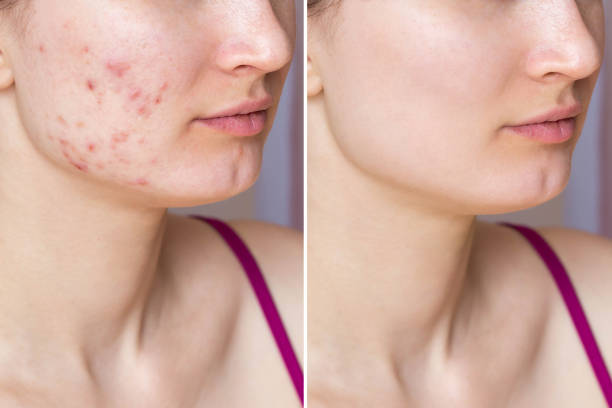
Getting rid of old scars can be challenging, but certain remedies can help remove or minimize the appearance of these scars on your skin. Some of these remedies involve the use of natural materials, while others require medical interventions, including advanced medical technology like laser therapy.
Aside from the physical discomfort the presence of skin scars may cause, they can also alter a person’s appearance and beauty, which can affect a person’s self-esteem.
Thus, in this post, I will show you some effective natural and synthetic remedies that can help you remove or reduce new or old scars on your skin. But first, let’s learn a bit about how scars are formed. This will give you a clearer idea of how these remedies help in removing or reducing old scars on your skin.
How Do Scars Form on Your Skin?
Like you may already be well aware of, scars are formed after a physical injury to the skin or mucosal surface, whether it is a burn, cut, bruise, crushing injury, ear piercing, shaving, etc. It results from the deposition of fibrous tissue (known as fibrosis), which is part of a normal wound-healing process.
Fibrous collagenous tissue attempts to fill the space created by a wound, and this tissue is deposited as scar after the wound has healed. The deeper and wider apart the wound edges are, the more likely you are to get a big scar, and vice versa.
For example, a small scratch injury might produce a temporary scar that would resolve in a matter of days, while a deep and wide cut would produce a scar that persists for years or even forever, unless something is done to reduce or remove the scar.
Also, scars differ in their appearance and in what causes them. For a clearer understanding, let’s see this in the next section on the types of scars and what causes them.
Types of Scars and Causes
The International Scar Classification classifies scars into immature scars and mature scars. Immature scar, as the name implies, is immature and appears pinkish. This later matures into any of the four types of mature scars below.
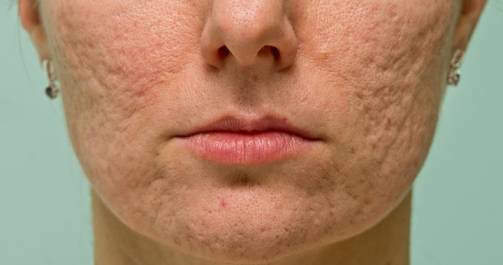
1. Atrophic scars
Atrophic scars are scars that usually leave a depression on the skin surface after resolution. This means that the mark caused by the scar appears to form a gutter (depression) on the skin. This type of scar usually appears to have serrated edges and a flat base, compared to the surrounding skin, and is typically caused by conditions like acne and chickenpox.
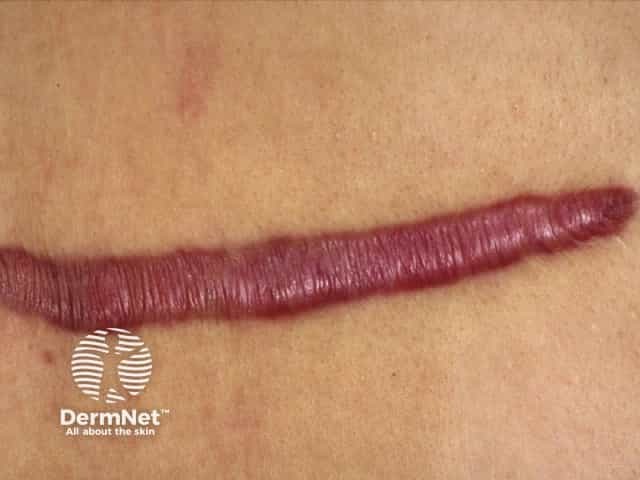
2. Hypertrophic scars
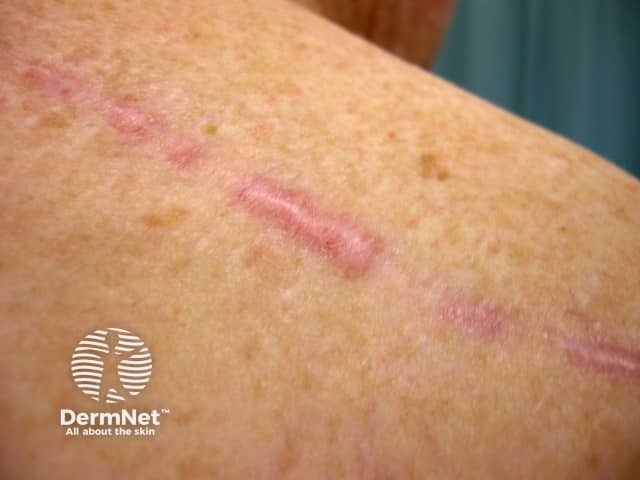
A hypertrophic scar is formed by the deposition of excess fibrous tissue over the injury site, but usually confined within the margins of the wound. They grow above the skin surface and are more common in areas of the skin that are subject to tension or stretching.

3. Keloids
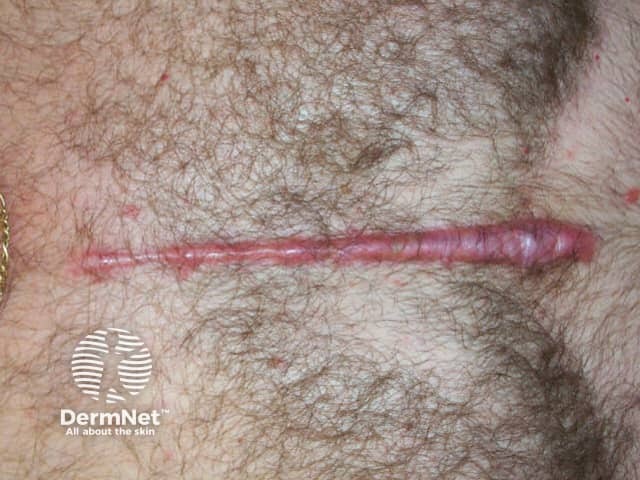
Keloids closely resemble hypertrophic scars, only that they grow beyond the margins of the wound due to an overproduction of fibrous tissue in the injury site. They characteristically have a raised, thick, and puffy appearance similar to hypertrophic scars.
Some individuals and families have a higher risk of forming keloids and are referred to as keloid formers. It has also been scientifically proven that individuals of African, Asian, and Hispanic descent, and individuals between the ages of 10 and 30 years have a higher risk of developing keloids after a skin injury.1Jansen, D. (2024, April 23). Keloids. In Medscape. Retrieved August 12, 2025, from https://emedicine.medscape.com/article/1298013-overview

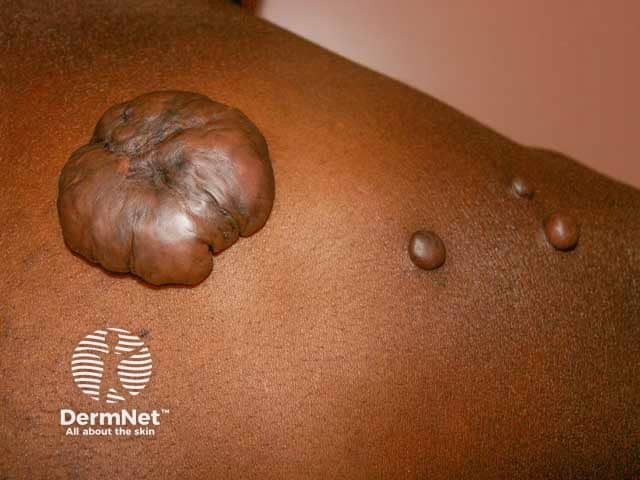

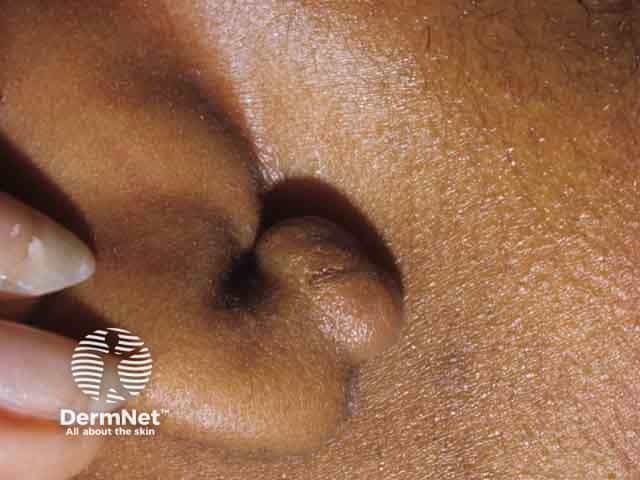
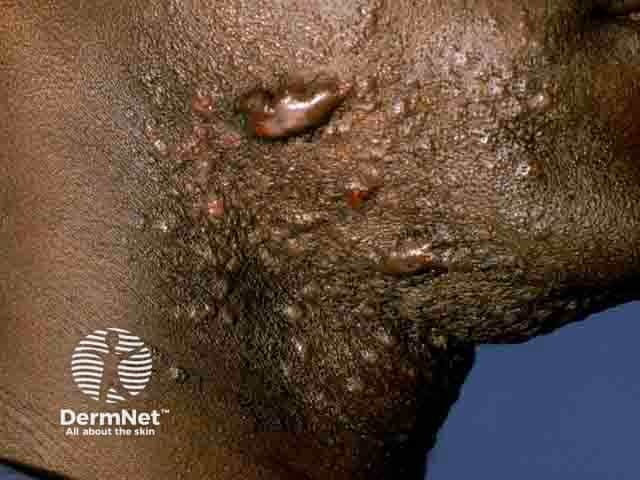
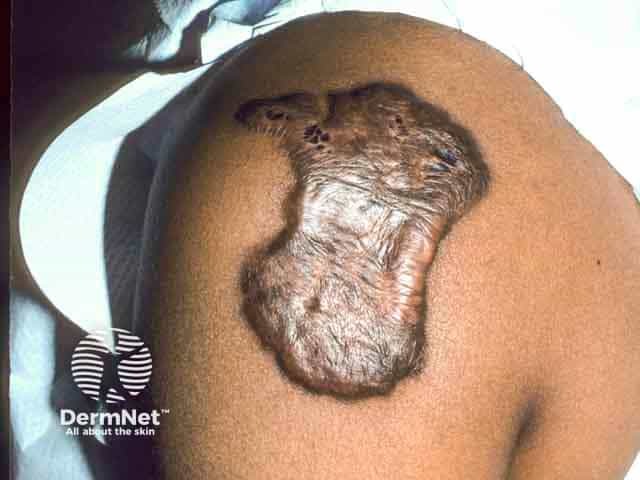
There are other descriptive scar types, including contracted or contracture scars, or keloid scars, which are borderline scars between keloid and hypertrophic scars.
Top 10 Natural Remedies To Get Rid of Old Scars
Like I promised, we will see both natural and medical therapies for getting rid of old scars. But in this section, we start with the natural remedies.
Natural products have been proven to be more effective, economical, convenient, and safer than existing medical therapies2Yuxiao Zhang, E. Liu, Hongjin Gao, Qingying He, Anjing Chen, Yaobing Pang, Xueer Zhang, Sixian Bai, Jinhao Zeng, Jing Guo. Natural products for the treatment of hypertrophic scars: Preclinical and clinical studies. Heliyon. Volume 10. Issue 17. 2024. e37059. ISSN 2405-8440. https://doi.org/10.1016/j.heliyon.2024.e37059, and they include the following:
1. Aloe Vera
Aloe vera is a succulent plant whose effects on the skin, wounds, and scars have made it widely used for biomedical, pharmaceutical, and cosmetic purposes, thus earning its place as one of the natural remedies for getting rid of skin scars.
To use,
- Peel off the green back of the Aloe vera leaves and extract the whitish gel into a paste.
- Apply to the wound or scar, especially during the immature scar stage.
- Wash off with cool, fresh water after about an hour.
- Repeat this at least twice a day, and for at least ten days.
- Store in the fridge compartment of your refrigerator, if the quantity lasts more than one day.
According to a 2016 study, Aloe vera modulated wound healing, wound contraction, epithelialization, decreased scar tissue size, and improved the alignment and organization of regenerated scar tissue. It does this by stimulating higher levels of collagen and glycosaminoglycans in the healing wound.3Oryan A, Mohammadalipour A, Moshiri A, Tabandeh MR. Topical Application of Aloe vera Accelerated Wound Healing, Modeling, and Remodeling: An Experimental Study. Ann Plast Surg. 2016 Jan;77(1):37-46. doi: 10.1097/SAP.0000000000000239. PMID: 25003428.
It also contains glucomannans (polysaccharides) and gibberellin-like growth hormones that stimulate fibroblasts in the skin’s dermal layer.4Rahman, S., Carter, P., & Bhattarai, N. (2017). Aloe Vera for Tissue Engineering Applications. Journal of Functional Biomaterials, 8(1), 6. https://doi.org/10.3390/jfb8010006 These properties of aloe vera make it help organize fibril orientation and stronger crosslinking, maintaining a more physiological collagen I-to-III ratio, for enhanced scar pliability and reducing hypertrophic scar formation.5Hekmatpou D, Mehrabi F, Rahzani K, Aminiyan A. The Effect of Aloe Vera Clinical Trials on Prevention and Healing of Skin Wound: A Systematic Review. Iran J Med Sci. 2019 Jan;44(1):1-9. PMID: 30666070; PMCID: PMC6330525.
2. Salicylic acid
Salicylic acid is a naturally occurring substance extracted from the bark of the willow tree or the leaves of the wintergreen plant. Though these plants are not available worldwide, they have great scar-reducing properties, especially for acne scars.
It is also available as the synthesized form as a topical 2% salicylic acid cream (e.g., Avosil®).
A case study published in the Journal of Burns and Wounds showed that salicylic acid is highly efficacious in the treatment of hypertrophic scars, especially combined with hydrogel (Avogel®). This is due to the exfoliating effect of salicylic acid on the skin, in addition to reducing inflammation and promoting collagen production.6Danielson JR, Walter RJ. Case studies: Use of salicylic acid (Avosil) and hydrogel (Avogel) in limiting scar formation. J Burns Wounds. 2005 Mar 28;4:e6. PMID: 16921411; PMCID: PMC1501120.
Apply a portion of the extract of the willow bark or wintergreen leaves, or the commercially available salicylic acid gel, to the scar every 8 to 12 hours. Repeat for at least two weeks or up to two months. Salicylic acid is particularly effective for acne scars.
3. Onion extract
According to a study, onion extract alone or in combination with allantoin and heparin helps prevent and reduce keloids and hypertrophic scars. This is due to the anti-inflammatory properties of onion extract. It is also believed that the flavonoids (quercetin and kaempferol) in onion extract play the main role in reducing scar formation and reducing already-formed scars.7Poetschke J, Gauglitz GG. Onion Extract. 2020 Dec 8. In: Téot L, Mustoe TA, Middelkoop E, et al., editors. Textbook on Scar Management: State of the Art Management and Emerging Technologies [Internet]. Cham (CH): Springer; 2020. Chapter 24. Available from: https://www.ncbi.nlm.nih.gov/books/NBK586084/ doi: 10.1007/978-3-030-44766-3_24
Steps to use:
- Make a paste of freshly-cut onion leaves(corm) or an entire bulb.
- Apply to the affected area twice a day for at least 4 weeks and up to three months.
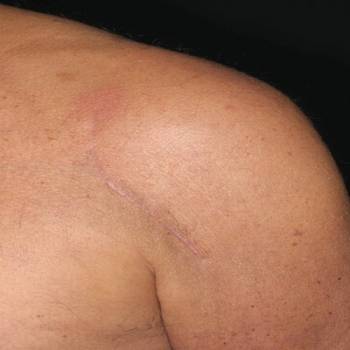
Below is an image of a scar that was treated with onion extract. The upper half was treated, while the lower half was not.
4. Pistia stratiotes (Water lettuce)
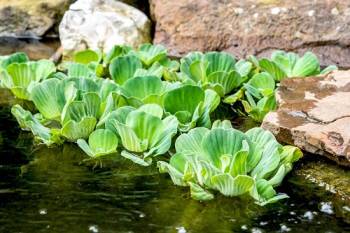
According to research, the leaves of the water lettuce plant are highly useful in the treatment of several skin conditions like eczema, leprosy, and skin ulcers.8Khan, M. A., Marwat, K. B., Gul, B., Wahid, F., Khan, H., & Hashim, S. (2014). Pistia stratiotes L. (Araceae): Phytochemistry, use in medicines, phytoremediation, biogas, and management options. Pakistan Journal of Botany, 46(3), 851–860. Also, this plant is rich in polysaccharides that have potent antioxidant activity, aiding in preventing and reducing scars.9Sudirman, S., Sirait, Y. N., Ghaisani, A. D., Herpandi, Widiastuti, I., & Janna, M. (2023). Antioxidant Activity of Polysaccharides from Water Lettuce (Pistia stratiotes) Leaf Extract: http://www.doi.org/10.26538/tjnpr/v7i11.7. Tropical Journal of Natural Product Research, 7(11), 5055-5058. https://www.tjnpr.org/index.php/home/article/view/300
To apply, make a paste by crushing the fresh leaves. Then, apply over the scar at least twice a day. Repeat for up to three weeks or more for maximal effect.
The leaves could also be dried and crushed into a powder or ash and applied over the scar area for a local effect.
5. Carthamus tinctorius (Safflower)
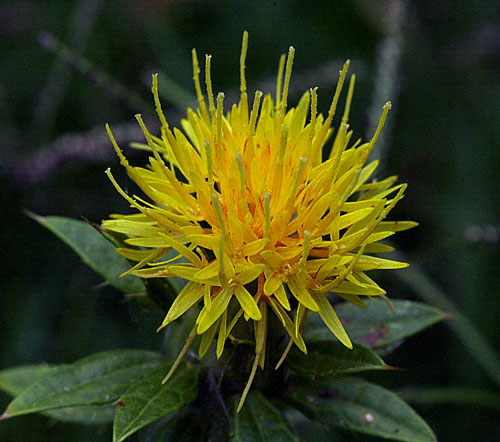
Carthamus tinctorius, also known as the Safflower plant, is another proven natural remedy for old and new scars.
According to a study in 2020, the natural oil extracted from the seeds of the Safflower plant demonstrated potent antioxidant and antimicrobial properties, making it highly beneficial in the treatment of wounds, prevention, and reduction of scars.
The antioxidant effect of Safflower involves mopping off free radicals that impair wound healing and healthy scar formation. While the antimicrobial effect acts against a variety of organisms, including bacteria, yeast, and some other fungal species, which can impair wound healing and healthy granulation when their infection in the wound is uncontrolled.10Khémiri I, Essghaier B, Sadfi-Zouaoui N, Bitri L. Antioxidant and Antimicrobial Potentials of Seed Oil from Carthamus tinctorius L. in the Management of Skin Injuries. Oxid Med Cell Longev. 2020 Nov 4;2020:4103418. doi: 10.1155/2020/4103418. PMID: 33204394; PMCID: PMC7661123.
To apply,
- Separate the seeds from the Safflower heads.
- Crush the seeds mechanically, and the oil will be pressed out from the seeds.
- Apply the oil to the scar.
- For a better extraction, an organic solvent like hexane can be used to dissolve the oil from the crushed seeds, and this solution separated later, especially for larger-scale production.
Due to its skin-beneficial effects, Safflower seed oil has been used in various skincare and cosmetic products.
6. Tamarindus indica (Tamarind)
According to a 2015 study, Tamarind fruit paste may play a role in wound healing by accelerating wound closure and increasing epithelial migration and re-epithelialization.11Attah, M. O., Ishaya, H. B., Chiroma, M. S., Amaza, D. S., Balogun, S. U., & Jacks, T. W. (2015). Effect of Tamarindus indica Linn on the rate of wound healing in adult rabbits. IOSR Journal of Dental and Medical Sciences (IOSR-JDMS), 14(8), 80–84. https://doi.org/10.9790/0853-14818084 This plant is rich in flavonoids, tannins, and polyphenols, which help promote wound healing and healthy scar formation.
- Obtain the fruit pods from the plant or buy them from vendors.
- Ensure they are properly shelled.
- Soak the pod extracts in water.
- Then, strain or sieve the paste to remove loose fibers and debris.
- Apply to the affected skin scar.
- If you need to store it, the paste can be preserved in the refrigerator, and a fresh paste after about 2-3 days.
7. Oenothera paradoxa (Evening primrose)
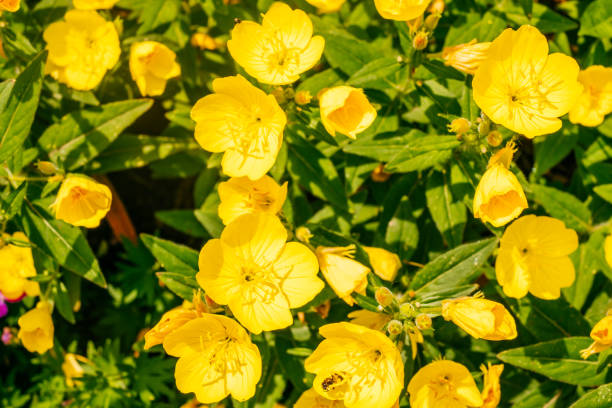
The oil of the Evening Primrose is highly efficacious for the prevention and treatment of acne scars and other skin scars, earning it a top spot among essential oils used for cosmetic and topical creams.
The oil is highly rich in gamma-linoleic acid, an essential omega-6 fatty acid with anti-inflammatory effects in the body.12Evening Primrose Oil. In WebMD. Retrieved August 14, 2025, from WebMD website: https://www.webmd.com/vitamins/ai/ingredientmono-1006/evening-primrose-oil This makes it an excellent treatment for scars caused by acne and other skin lesions, including physical injury.
Primrose oil is also included in cosmetic creams to serve as a moisturizer base for skin hydration in those who have dry and sensitive skin.
To use Evening Primrose Oil for the treatment of scars, apply 2-3 drops of the oil on acne spots or skin scars. Do this at least two times a day for optimal effects.
8. Lavender oil
Lavender oil has been shown to aid in scar reduction and treatment. A study demonstrated that topical application of lavender oil promoted collagen synthesis and differentiation of fibroblasts, with an accompanying up-regulation of TGF-β.13Mori HM, Kawanami H, Kawahata H, Aoki M. Wound healing potential of lavender oil by acceleration of granulation and wound contraction through induction of TGF-β in a rat model. BMC Complement Altern Med. 2016 May 26;16:144. doi: 10.1186/s12906-016-1128-7. PMID: 27229681; PMCID: PMC4880962.
The net effect of the above is improved wound granulation, proper organization of collagen and fibroblasts to prevent the development of hypertrophic scars, keloids, or abnormal scar patterns, and scar tissue remodelling for scar resorption.
For optimal scar healing effects,
- Gently apply lavender oil to the scar until it covers the entire area.
- Leave the oil in place for about 30 minutes or until it dries out.
- Rinse the area with warm water, if necessary.
- Reapply for a minimum of 3 times daily for up to 2 weeks.
9. Honey
According to a study, honey, most especially the Tualang honey, has been shown to have anti-proliferative effects on keloid fibroblasts in a dose-dependent manner, which means honey can help soothe scar tissue and potentially reduce excess scar tissue growth.14Nurul Syazana MS, Halim AS, Gan SH, Shamsuddin S. Antiproliferative effect of methanolic extraction of tualang honey on human keloid fibroblasts. BMC Complement Altern Med. 2011 Sep 26;11:82. doi: 10.1186/1472-6882-11-82. PMID: 21943200; PMCID: PMC3224358.
Honey is also rich in flavonoids, enzymes, and phenolic acids, which enhance its scar-healing and prevention effects on different types of scars.
10. Rheum palmatum (Chinese rhubarb)
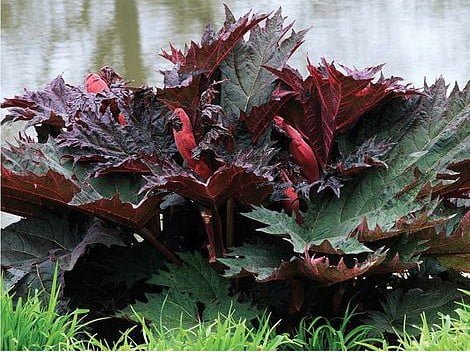
The Chinese rhubarb plant is an ornamental plant with anti-proliferative effects on scar fibroblasts, especially hypertrophic scar. According to a study, the Chinese rhubarb was shown to contain significant amounts of emodin, rhein, and gallic which could inhibit cell proliferation, and the main anti-proliferative ingredients were anthraquinones.15Wang Q, Zhang NN, Li HY, Jiang M, Gao J, Bai G. [Active ingredients in rhubarb with anti-proliferative effects on scar fibroblasts]. Yao Xue Xue Bao. 2012 Dec;47(12):1618-22. Chinese. PMID: 23460967.
To prepare, the roots and rhizomes of the rhubarb plant are dried and crushed into char, or burnt as rhubarb charcoal. This can be directly applied to the affected area or incorporated in chitosan/silk fibroin formulations and ointments.16Tuwalska A, Grabska-Zielińska S, Sionkowska A. Chitosan/Silk Fibroin Materials for Biomedical Applications-A Review. Polymers (Basel). 2022 Mar 26;14(7):1343. doi: 10.3390/polym14071343. PMID: 35406217; PMCID: PMC9003105.
Other Natural Remedies for Scars
Even though ‘Top 10 natural remedies’ was used for the above list, these do not represent the topmost or the most efficacious natural remedies for scars. While the list is not exhaustive, here are some additional natural remedies that may be more available to you than some of the above plants.
- Crown flower or Calotropis: despite its promising potential, there is still limited literature available on the efficacy of Calotropis gigantea, focusing on wound healing.
- Lemon: Lemon contains citric vitamins C and B6, minerals, and other vitamins. These substances may help in wound healing and scar resorption.
- Apple cider vinegar: Also suggested as a natural remedy for scars, but there is limited scientific evidence to support its effectiveness for scar removal.
- Coconut oil,
- Vitamin E,
- Potato, etc
Medical Remedies for Scar Reduction/Removal
While the natural remedies are said to be both safer and effective, they may take a long time to work. And in some cases, the effects are minimally noticeable over a short period of time.
The natural remedies may work better for hypertrophic and acne scars, but have less effect for keloids. Thus, for better and more guaranteed results in these cases, medical remedies are preferred options. These include:
1. Retinoids
According to a research study, topical retinoids reduce inflammation, speed up cell regeneration, and improve acne scars. The overall effects of this are lightening of hyperpigmented scars and reduction of scar mass.17Chandrashekar BS, Ashwini KR, Vasanth V, Navale S. Retinoic acid and glycolic acid combination in the treatment of acne scars. Indian Dermatol Online J. 2015 Mar-Apr;6(2):84-8. doi: 10.4103/2229-5178.153007. PMID: 25821727; PMCID: PMC4375771.
2. Silicone sheets
These are silicone materials that can be worn or applied over a keloid scar to help flatten it. The silicone sheets are worn for 12 to 16 hours for several consecutive months to gradually flatten the scar through the pressure effect. This may be applied singly or in combination with other compression dressings.
3. Intralesional steroid injections
Keloids and hypertrophic scars resistant to other remedies often respond to steroid injections, making them the gold standard for keloid scar treatment.18Cavalié, M., Sillard, L., Montaudié, H., Bahadoran, P., Lacour, J.-P., & Passeron, T. (2015). Treatment of keloids with laser-assisted topical steroid delivery: A retrospective study of 23 cases. Dermatologic Therapy, 28(2), 74–78. https://doi.org/10.1111/dth.12187
Steroids or corticosteroids are anti-inflammatory drugs that inhibit inflammation and break down excess collagen. This involves the injection of a steroid into the scar tissue and giving time to resorb or shrink.
4. Ligature
Ligature is a procedure done under the strict supervision of a dermatologist that involves tying a surgical thread around a keloid scar every 2 to 3 weeks to slowly cut off its blood supply and slice off the keloid tissue. Care needs to be taken to avoid infecting the scar and causing bloodstream infection or sepsis.
5. Surgical excision
Surgical incision or excision is done as an adjunct procedure for reducing and shrinking scar tissue mass, including keloids and hypertrophic scars. However, for people who are keloid formers, they run the risk of forming even bigger scars after the original scar has been excised.
To prevent that from happening, post-excision steroid injection and/or radiation therapy are done to destroy fibroblasts in the wound site. Also, excising mature scar tissue can give way to the development of a new immature scar, which is oftentimes more responsive to the natural remedies that already-established scars.
6. Cryotherapy
Cryotherapy is similar to ligature therapy except that cold is used to induce the death of the scar tissue. Liquid nitrogen is around -196°C and can be used to freeze the keloid tissue while leaving the underlying skin unharmed.
The cold induces apoptotic cell death and blood vessel spasm in the keloid tissue. While this may be effective for smaller keloids, especially when repeated for 3 times or more, larger-sized scars might require more invasive surgical methods.
7. Laser treatment
Laser therapy has now been considered the gold standard medical therapy in the treatment of scars because it helps reduce and lighten scars in a safe and almost painless manner. There is no exposure to steroids or radiation, just a laser beam cutting through the tissue in a non-invasive manner.
The major advantage of laser therapy is that it is precise with minimal tissue trauma, thus eliminating excessive post-excision inflammatory reaction that may lead to larger scar formation.
Common modes of laser therapy employed in scar treatment include flash lamp pulse-dye laser, carbon dioxide laser, argon laser, and the Nd: YAG laser.
Final words
While getting rid of or reducing scars can be quite challenging, several natural and medical remedies exist to effectively treat, reduce, or lighten scars on the skin.
While the natural remedies are effective and safer, the medical therapies for scar treatment often require the supervision of a qualified medical practitioner. If you plan to adopt a medical scar treatment remedy, consult your dermatologist for information about the side effects, precautions, and cost of any treatment you will choose.
Laser beams are not being used for scar removal. These waves are safer and highly effective, making them the gold standard medical remedy for scar tissue removal.
References
| ↑1 | Jansen, D. (2024, April 23). Keloids. In Medscape. Retrieved August 12, 2025, from https://emedicine.medscape.com/article/1298013-overview |
|---|---|
| ↑2 | Yuxiao Zhang, E. Liu, Hongjin Gao, Qingying He, Anjing Chen, Yaobing Pang, Xueer Zhang, Sixian Bai, Jinhao Zeng, Jing Guo. Natural products for the treatment of hypertrophic scars: Preclinical and clinical studies. Heliyon. Volume 10. Issue 17. 2024. e37059. ISSN 2405-8440. https://doi.org/10.1016/j.heliyon.2024.e37059 |
| ↑3 | Oryan A, Mohammadalipour A, Moshiri A, Tabandeh MR. Topical Application of Aloe vera Accelerated Wound Healing, Modeling, and Remodeling: An Experimental Study. Ann Plast Surg. 2016 Jan;77(1):37-46. doi: 10.1097/SAP.0000000000000239. PMID: 25003428. |
| ↑4 | Rahman, S., Carter, P., & Bhattarai, N. (2017). Aloe Vera for Tissue Engineering Applications. Journal of Functional Biomaterials, 8(1), 6. https://doi.org/10.3390/jfb8010006 |
| ↑5 | Hekmatpou D, Mehrabi F, Rahzani K, Aminiyan A. The Effect of Aloe Vera Clinical Trials on Prevention and Healing of Skin Wound: A Systematic Review. Iran J Med Sci. 2019 Jan;44(1):1-9. PMID: 30666070; PMCID: PMC6330525. |
| ↑6 | Danielson JR, Walter RJ. Case studies: Use of salicylic acid (Avosil) and hydrogel (Avogel) in limiting scar formation. J Burns Wounds. 2005 Mar 28;4:e6. PMID: 16921411; PMCID: PMC1501120. |
| ↑7 | Poetschke J, Gauglitz GG. Onion Extract. 2020 Dec 8. In: Téot L, Mustoe TA, Middelkoop E, et al., editors. Textbook on Scar Management: State of the Art Management and Emerging Technologies [Internet]. Cham (CH): Springer; 2020. Chapter 24. Available from: https://www.ncbi.nlm.nih.gov/books/NBK586084/ doi: 10.1007/978-3-030-44766-3_24 |
| ↑8 | Khan, M. A., Marwat, K. B., Gul, B., Wahid, F., Khan, H., & Hashim, S. (2014). Pistia stratiotes L. (Araceae): Phytochemistry, use in medicines, phytoremediation, biogas, and management options. Pakistan Journal of Botany, 46(3), 851–860. |
| ↑9 | Sudirman, S., Sirait, Y. N., Ghaisani, A. D., Herpandi, Widiastuti, I., & Janna, M. (2023). Antioxidant Activity of Polysaccharides from Water Lettuce (Pistia stratiotes) Leaf Extract: http://www.doi.org/10.26538/tjnpr/v7i11.7. Tropical Journal of Natural Product Research, 7(11), 5055-5058. https://www.tjnpr.org/index.php/home/article/view/300 |
| ↑10 | Khémiri I, Essghaier B, Sadfi-Zouaoui N, Bitri L. Antioxidant and Antimicrobial Potentials of Seed Oil from Carthamus tinctorius L. in the Management of Skin Injuries. Oxid Med Cell Longev. 2020 Nov 4;2020:4103418. doi: 10.1155/2020/4103418. PMID: 33204394; PMCID: PMC7661123. |
| ↑11 | Attah, M. O., Ishaya, H. B., Chiroma, M. S., Amaza, D. S., Balogun, S. U., & Jacks, T. W. (2015). Effect of Tamarindus indica Linn on the rate of wound healing in adult rabbits. IOSR Journal of Dental and Medical Sciences (IOSR-JDMS), 14(8), 80–84. https://doi.org/10.9790/0853-14818084 |
| ↑12 | Evening Primrose Oil. In WebMD. Retrieved August 14, 2025, from WebMD website: https://www.webmd.com/vitamins/ai/ingredientmono-1006/evening-primrose-oil |
| ↑13 | Mori HM, Kawanami H, Kawahata H, Aoki M. Wound healing potential of lavender oil by acceleration of granulation and wound contraction through induction of TGF-β in a rat model. BMC Complement Altern Med. 2016 May 26;16:144. doi: 10.1186/s12906-016-1128-7. PMID: 27229681; PMCID: PMC4880962. |
| ↑14 | Nurul Syazana MS, Halim AS, Gan SH, Shamsuddin S. Antiproliferative effect of methanolic extraction of tualang honey on human keloid fibroblasts. BMC Complement Altern Med. 2011 Sep 26;11:82. doi: 10.1186/1472-6882-11-82. PMID: 21943200; PMCID: PMC3224358. |
| ↑15 | Wang Q, Zhang NN, Li HY, Jiang M, Gao J, Bai G. [Active ingredients in rhubarb with anti-proliferative effects on scar fibroblasts]. Yao Xue Xue Bao. 2012 Dec;47(12):1618-22. Chinese. PMID: 23460967. |
| ↑16 | Tuwalska A, Grabska-Zielińska S, Sionkowska A. Chitosan/Silk Fibroin Materials for Biomedical Applications-A Review. Polymers (Basel). 2022 Mar 26;14(7):1343. doi: 10.3390/polym14071343. PMID: 35406217; PMCID: PMC9003105. |
| ↑17 | Chandrashekar BS, Ashwini KR, Vasanth V, Navale S. Retinoic acid and glycolic acid combination in the treatment of acne scars. Indian Dermatol Online J. 2015 Mar-Apr;6(2):84-8. doi: 10.4103/2229-5178.153007. PMID: 25821727; PMCID: PMC4375771. |
| ↑18 | Cavalié, M., Sillard, L., Montaudié, H., Bahadoran, P., Lacour, J.-P., & Passeron, T. (2015). Treatment of keloids with laser-assisted topical steroid delivery: A retrospective study of 23 cases. Dermatologic Therapy, 28(2), 74–78. https://doi.org/10.1111/dth.12187 |












You Might Also Like