
Over 7000 years ago, various natural products were discovered to have medicinal properties, having effects in treating pain disorders, fever, treating infections, infestations, and inflammatory conditions. This was the origin of the now popular naturaceuticals and ayurveda.
Prototypical examples of natural painkillers include opium poppy (Papaver soniferum), the bark of the willow tree (Salix spp.) which is a rich source of aspirin used in modern medicine, and capsaicin (from Chili Peppers) used to relieve nerve, joint, and muscle pain.
With the growth of scientific knowledge and evolution of medicine, scientists began to extract the active ingredients from these natural products and convert these into measurable formulations like tablets, solutions, infusions, and injectables. Since then, the use of the natural products have become crude and unreliable.
Despite the widespread availability of modern medicines, it is important to know about the different natural products from which some of these medications were derived. This knowledge may be beneficial if you find yourself in a situation where they are available but orthodox medicines are not.
But if for no other reason, it may be worth knowing about these natural analgesic alternatives. And in this post, we explore 10 natural alternatives to conventional painkillers that you should know about.
Advantages of Natural Medicine
- Generally cheaper
- More available in places where the plant abounds
- Have fewer side effects due to lower relative concentration of the active ingredients
- Less risk of dependency (are even sometimes unpalatable)
Disadvantages of Natural Medicine
- Difficult to measure the dosage
- Acts more slowly compared to pharmaceutical medications
- May be toxic to certain organs because of impurities and the presence of multiple medicinal constituents
- Limited scientific evidence
- Risk of allergic reactions
Natural Painkiller Alternatives to Know
Having considered the important of having this knowledge up your sleeve, as well seen some advantages and disadvantages of natural medicine, we will now see some natural painkiller alternatives you should know about.
1. Opium Poppy
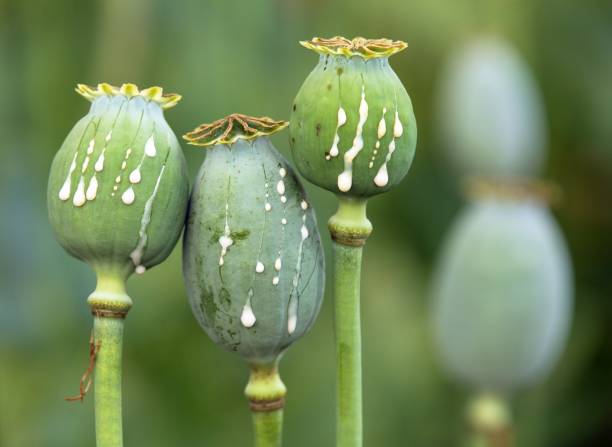
Opium poppy (Papaver somniferum L.) is the plant species that produces natural opium alkaloids such as morphine and codeine which have potent analgesic effects. The extract contains over 100 different Benzylisoquinoine alkaloids (BIA) which bind to and act against central and peripheral pain receptors producing analgesia or pain relief.1Vadhel A, Bashir S, Mir AH, Girdhar M, Kumar D, Kumar A, Mohan A, Malik T, Mohan A. Opium alkaloids, biosynthesis, pharmacology and association with cancer occurrence. Open Biol. 2023
In addition to pain relief, they can slow down gastrointestinal motility, suppress cough, as well as produce tranquilizing/psychoactive effects for which they are commonly abused.
2. Aloe Vera
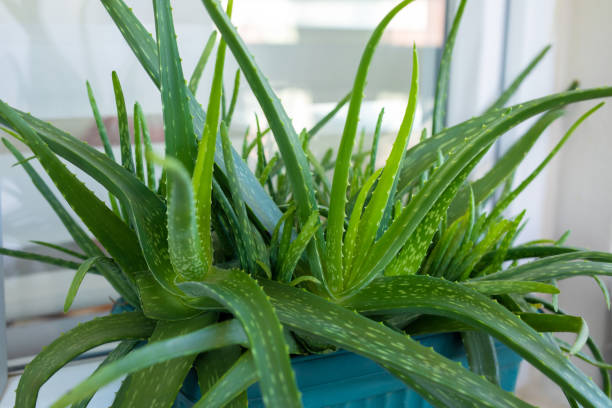
Aloe Vera (A. vera or A. barbadensis) is a succulent plant native only to the southeast Arabian Peninsula, UAE, but it can be and has been widely cultivated around the world. It has become naturalized in North Africa, Sudan and neighboring countries, the Canary Islands, Cape Verde, Madeira, and parts of Southern Europe.2Aloe vera – Wikipedia
The gel extract (containing C-glycosyl chromone) is known to possess anti-inflammatory effects and block pain by inhibiting the cyclooxygenase enzyme responsible for the production of prostaglandins and Arachidonic acid. These are the chemical mediators of pain in the body.3Raut, Harsha & Lodhi, Geeta & Kalode, Deepika. (2021). A Review on Analgesic Herbal. International Journal of Advanced Research.
3. Ginger
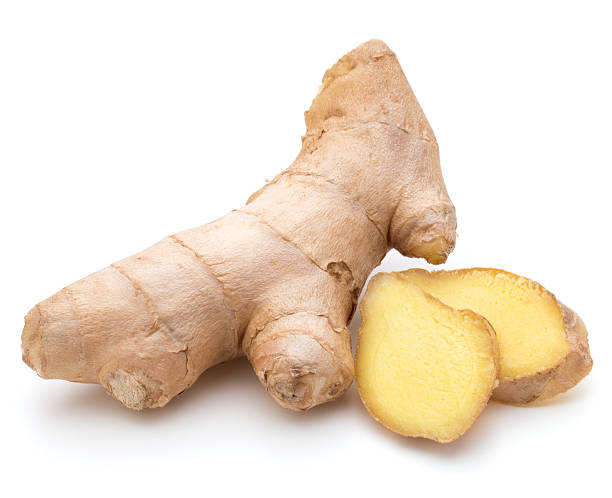
Ginger (Zingiber officinale) is a root/rhizome native to warm, humid regions of Southeast Asia but is now grown in many parts of the world, including India, China, Nigeria, and Australia. It is a natural spice which has been shown to possess anti-inflammatory and analgesic properties.
The rhizome extract is used to relieve joint pain and swelling in patients with rheumatoid arthritis, osteoarthritis, and muscular pain. The active constituents from the extract were found to block arachidonic acid metabolism, cyclooxygenase (COX), as well as the lipooxygenase (LOX) pathways.4Ibid. Raut, et al. (2021). International Journal of Advanced Research.
Among other health benefits of ginger, daily consumption of raw and heat-treated ginger produces moderate-to-large reductions in muscle pain following exercise-induced muscle injury, thus, serving as a natural analgesic alternative.5Black CD, Herring MP, Hurley DJ, O’Connor PJ. Ginger (Zingiber officinale) reduces muscle pain caused by eccentric exercise. J Pain. 2010
4. Willow bark
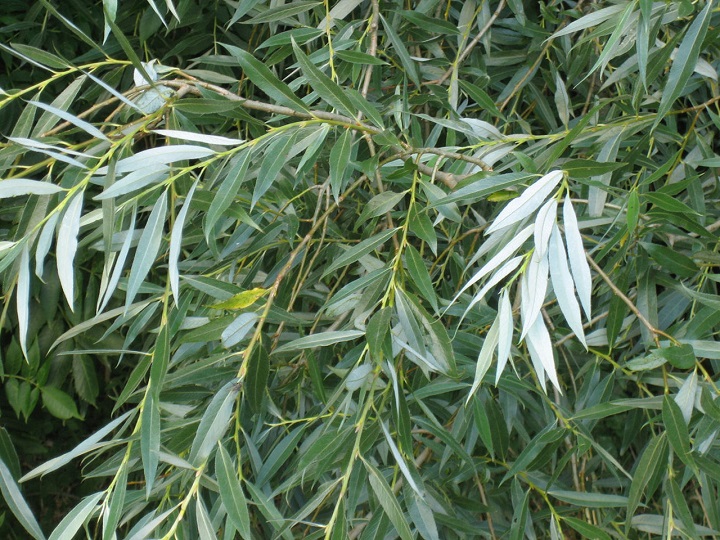
The bark of the white willow tree (Salix alba) contains the natural chemical “Salicin” which is similar in structure to the salicylates, of which aspirin is a prototypal example. Aspirin (acetyl salicylate) is a synthetic analgesic but its discovery was based on the discovery that natural salicylates from the bark of the Willow tree produced significant analgesic effects.6Shara M, Stohs SJ. Efficacy and Safety of White Willow Bark (Salix alba) Extracts. Phytother Res. 2015
The white willow tree is native to Europe, Western, and Central Asia where it was found that chewing the bark of the tree can treat pain and fevers.7Salix alba – Wikipedia several studies have demonstrated that the analgesic and anti-inflammatory activity of the white willow bark extract is associated with down-regulation of the inflammatory mediators, tumor necrosis factor-α, and nuclear factor-kappa B.8Ibid., Shara. Phytother Res. 2015
The bark extract can also be processed into dried extracts, powder, juice, or herbal capsules, serving as an alternative pain killer for headaches, low back pain, osteoarthritis, and other inflammatory pain.
5. Cloves
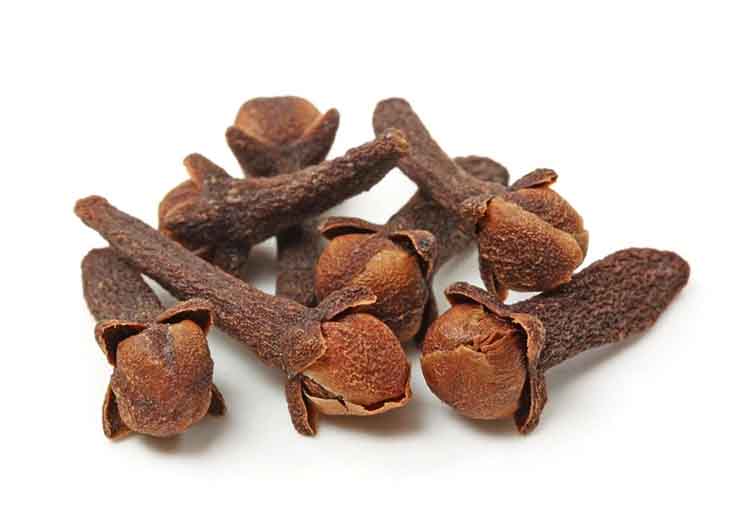
Extracts from the clove plant (Eugenia caryophyllata or Syzgium aromaticum) contain eugenol, methyl salicylate, acetyl eugenol, pinene, and vanillin. Eugenol is the main analgesic constituent in cloves, with studies also showing that its analgesia is similar to that of opioid analgesics, as seen in opium extracts.9Kamkar Asl M, Nazariborun A, Hosseini M. Analgesic effect of the aqueous and ethanolic extracts of clove. Avicenna J Phytomed. 2013 Spring;3(2):186-92. PMID: 25050273; PMCID: PMC4075701.
Aside from the dietary use of clove as a spice, and other health benefits, it is also a great natural alternative to painkiller medications. The extract has shown effectiveness in the treatment of body pain, headaches, arthritis, colds, and toothaches.
The extract could be consumed orally or applied topically to the skin for the relief of pain.
6. Turmeric

Turmeric (Curcuma domestica) is another spice with potent pain-relieving and anti-inflammatory properties. Its active ingredient is ‘Curcumin’ which acts on the same receptors as the non-steroidal anti-inflammatory drugs (NSAIDs) like Diclofenac and Ibuprofen.10Sharifi-Rad J, Rayess YE, Rizk AA, Sadaka C, Zgheib R, Zam W, Sestito S, et al., Turmeric and Its Major Compound Curcumin on Health: Bioactive Effects and Safety Profiles for Food, Pharmaceutical, Biotechnological and Medicinal Applications. Front Pharmacol. 2020 Sep 15;11:01021. doi: 10.3389/fphar.2020.01021. PMID: 33041781; PMCID: PMC7522354.
Turmeric extract is very effective in relieving knee osteoarthritis pain. Other studies also suggest that curcumin might help prevent bone breakdown (osteolysis) in patients with Rheumatoid Arthritis.11Kuptniratsaikul V, Thanakhumtorn S, Chinswangwatanakul P, Wattanamongkonsil L, Thamlikitkul V. Efficacy and safety of Curcuma domestica extracts in patients with knee osteoarthritis. J Altern Complement Med. 2009 Aug;15(8):891-7. doi: 10.1089/acm.2008.0186. PMID: 19678780.
7. Clove Basil (Scent Leaf)

Scent leaf (Ocimum gratissimum) is a spice native to Africa, Madagascar, Southern Asia, Oceania, and North and South America. The leaf contains eugenol, the same analgesic and anti-inflammatory chemical in Eugenia clove.12Ocimum gratissimum – Wikipedia
It has several other bioactive constituents which possess pharmacological properties such as antioxidant, anti-inflammatory, anticancer, antidiabetic, antihypertensive, antidiarrheal, and antimicrobial effects. Thus, making this plant a good source of natural medicine, as well as a natural analgesic.13Ugbogu OC, Emmanuel O, Agi GO, Ibe C, Ekweogu CN, Ude VC, Uche ME, Nnanna RO, Ugbogu EA. A review on the traditional uses, phytochemistry, and pharmacological activities of clove basil (Ocimum gratissimum L.). Heliyon. 2021 Nov 25;7(11):e08404. doi: 10.1016/j.heliyon.2021.e08404. PMID: 34901489; PMCID: PMC8642617.
8. Chili Pepper

Chili pepper is a spicy fruit with a characteristic pungent and intense burning sensation when tasted or applied to the human skin. These are highly desirable effects in food, but surprisingly, they also have pain-relieving properties.
Chili peppers originated from central or South America. They were first cultivated in Mexico, but today, they have become significantly widespread globally, found in almost all the continents of the world.14Chili pepper – Wikipedia
This pepper contains capsaicin, the main active substance that causes the pungent smell and hot spicy sensation on the human skin and mouth. Capsaicin binds selectively and activates the transient receptor potential vanilloid 1 (TRPV1) with nociceptive primary afferent neurons, thus inducing the burning pain/sensation.15Vipin Arora, James N. Campbell, Man-Kyo Chung. Fight fire with fire: Neurobiology of capsaicin-induced analgesia for chronic pain. Pharmacology & Therapeutics. Volume 220. 2021. 107743. ISSN 0163-7258. https://doi.org/10.1016/j.pharmthera.2020.107743.
Paradoxically, capsaicin also produces pain relief and can be used as a natural analgesic alternative for the treatment of chronic pain conditions such as neuropathic pain and osteoarthritis.
9. Lavender
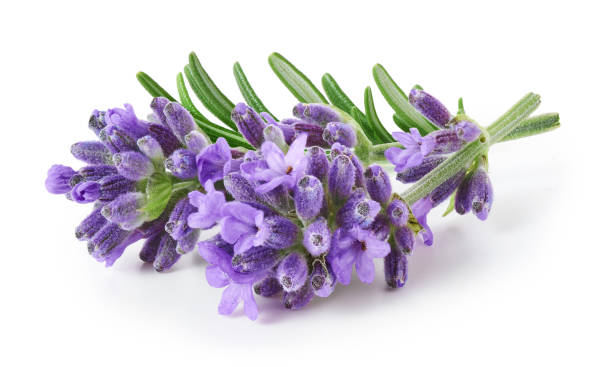
Lavender essential oil (LEO) is also an effective natural analgesic that can relieve headaches, sprains, toothaches, and sore pain. It is extracted from lavender flowers and applied to the affected body area. It can also be processed for inhalation.
Lavender oil also has sedative and antispasmodic properties and has been successfully used to treat pain during heel puncture and vaccination in children. It effectively reduced pain during frenotomy (restoration of tongue tie) in healthy, full-term neonates and in adults.16Maya-Enero S, Fàbregas-Mitjans M, Llufriu-Marquès RM, Candel-Pau J, Garcia-Garcia J, López-Vílchez MÁ. Analgesic effect of inhaled lavender essential oil for frenotomy in healthy neonates: a randomized clinical trial. World J Pediatr. 2022 Jun;18(6):398-403. doi: 10.1007/s12519-022-00531-7. Epub 2022 Apr 4. PMID: 35377106; PMCID: PMC8978507.
Other beneficial effects of lavender oil include managing anxiety, insomnia, and digestive issues like stomach upset.
10. Cannabis
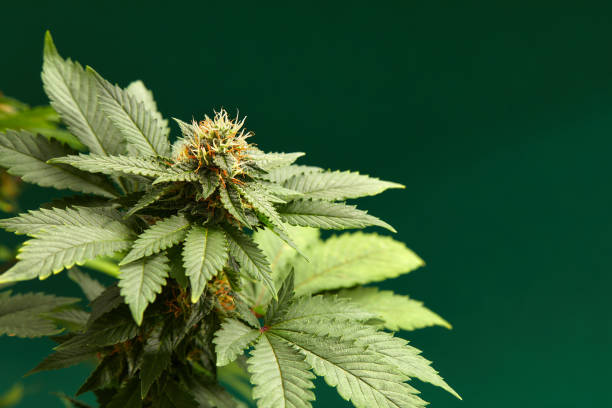
Cannabis (Cannabis sativa) is an annual herbaceous flowering plant indigenous to Eastern Asia but is not of cosmopolitan distribution due to widespread cultivation. It is most popularly known for its recreational and spiritual use.17Cannabis sativa – Wikipedia
It contains psychoactive constituents which are collectively referred to as ‘cannabinoids’, of which the most prominent are ∆-9 tetrahydrocannabinol (THC) and cannabidiol (CBD). These have potent analgesic effects which have been exploited since many centuries ago.18Carrascosa, A.J.; Navarrete, F.; Saldaña, R.; García-Gutiérrez, M.S.; Montalbán, B.; Navarro, D.; Gómez-Guijarro, F.M.; Gasparyan, A.; Murcia-Sánchez, E.; Torregrosa, A.B.; et al. Cannabinoid Analgesia in Postoperative Pain Management: From Molecular Mechanisms to Clinical Reality. Int. J. Mol. Sci. 2024, 25, 6268.
Both THC and CBD have pain-relieving effects but THC is consistently notorious for causing the ‘high’ effect of cannabis. They both modulate pain signals thus helping in the treatment of post-operative pain, chronic neuropathic pain, cancer pain, and migraine headache.19Mücke M, Phillips T, Radbruch L, Petzke F, Häuser W. Cannabis-based medicines for chronic neuropathic pain in adults. Cochrane Database Syst Rev. 2018 Mar 7;3(3).
Other Natural Analgesic Plants
- Eucalyptus oil
- Almond oil
- Peppermint
- Rosemary
- Neem
- Pala Indigo
- Camphor tree
- Holy basil
Final words
Natural analgesic substances have existed since centuries ago before the discovery of modern medicine. As science developed, medicinal plant extracts were obtained or used to discover new active ingredients used today in modern medicine.
This post explored some natural painkiller alternatives. I hope it was enlightening.
Finally, the above natural remedies may be more readily available and can be easily introduced into everyday life for chronic pain management, but they are not without side effects and unwanted effects. It is therefore important to discontinue or consult your doctor if you experience any unusual effects.
References
| ↑1 | Vadhel A, Bashir S, Mir AH, Girdhar M, Kumar D, Kumar A, Mohan A, Malik T, Mohan A. Opium alkaloids, biosynthesis, pharmacology and association with cancer occurrence. Open Biol. 2023 |
|---|---|
| ↑2 | Aloe vera – Wikipedia |
| ↑3 | Raut, Harsha & Lodhi, Geeta & Kalode, Deepika. (2021). A Review on Analgesic Herbal. International Journal of Advanced Research. |
| ↑4 | Ibid. Raut, et al. (2021). International Journal of Advanced Research. |
| ↑5 | Black CD, Herring MP, Hurley DJ, O’Connor PJ. Ginger (Zingiber officinale) reduces muscle pain caused by eccentric exercise. J Pain. 2010 |
| ↑6 | Shara M, Stohs SJ. Efficacy and Safety of White Willow Bark (Salix alba) Extracts. Phytother Res. 2015 |
| ↑7 | Salix alba – Wikipedia |
| ↑8 | Ibid., Shara. Phytother Res. 2015 |
| ↑9 | Kamkar Asl M, Nazariborun A, Hosseini M. Analgesic effect of the aqueous and ethanolic extracts of clove. Avicenna J Phytomed. 2013 Spring;3(2):186-92. PMID: 25050273; PMCID: PMC4075701. |
| ↑10 | Sharifi-Rad J, Rayess YE, Rizk AA, Sadaka C, Zgheib R, Zam W, Sestito S, et al., Turmeric and Its Major Compound Curcumin on Health: Bioactive Effects and Safety Profiles for Food, Pharmaceutical, Biotechnological and Medicinal Applications. Front Pharmacol. 2020 Sep 15;11:01021. doi: 10.3389/fphar.2020.01021. PMID: 33041781; PMCID: PMC7522354. |
| ↑11 | Kuptniratsaikul V, Thanakhumtorn S, Chinswangwatanakul P, Wattanamongkonsil L, Thamlikitkul V. Efficacy and safety of Curcuma domestica extracts in patients with knee osteoarthritis. J Altern Complement Med. 2009 Aug;15(8):891-7. doi: 10.1089/acm.2008.0186. PMID: 19678780. |
| ↑12 | Ocimum gratissimum – Wikipedia |
| ↑13 | Ugbogu OC, Emmanuel O, Agi GO, Ibe C, Ekweogu CN, Ude VC, Uche ME, Nnanna RO, Ugbogu EA. A review on the traditional uses, phytochemistry, and pharmacological activities of clove basil (Ocimum gratissimum L.). Heliyon. 2021 Nov 25;7(11):e08404. doi: 10.1016/j.heliyon.2021.e08404. PMID: 34901489; PMCID: PMC8642617. |
| ↑14 | Chili pepper – Wikipedia |
| ↑15 | Vipin Arora, James N. Campbell, Man-Kyo Chung. Fight fire with fire: Neurobiology of capsaicin-induced analgesia for chronic pain. Pharmacology & Therapeutics. Volume 220. 2021. 107743. ISSN 0163-7258. https://doi.org/10.1016/j.pharmthera.2020.107743. |
| ↑16 | Maya-Enero S, Fàbregas-Mitjans M, Llufriu-Marquès RM, Candel-Pau J, Garcia-Garcia J, López-Vílchez MÁ. Analgesic effect of inhaled lavender essential oil for frenotomy in healthy neonates: a randomized clinical trial. World J Pediatr. 2022 Jun;18(6):398-403. doi: 10.1007/s12519-022-00531-7. Epub 2022 Apr 4. PMID: 35377106; PMCID: PMC8978507. |
| ↑17 | Cannabis sativa – Wikipedia |
| ↑18 | Carrascosa, A.J.; Navarrete, F.; Saldaña, R.; García-Gutiérrez, M.S.; Montalbán, B.; Navarro, D.; Gómez-Guijarro, F.M.; Gasparyan, A.; Murcia-Sánchez, E.; Torregrosa, A.B.; et al. Cannabinoid Analgesia in Postoperative Pain Management: From Molecular Mechanisms to Clinical Reality. Int. J. Mol. Sci. 2024, 25, 6268. |
| ↑19 | Mücke M, Phillips T, Radbruch L, Petzke F, Häuser W. Cannabis-based medicines for chronic neuropathic pain in adults. Cochrane Database Syst Rev. 2018 Mar 7;3(3). |













You Might Also Like