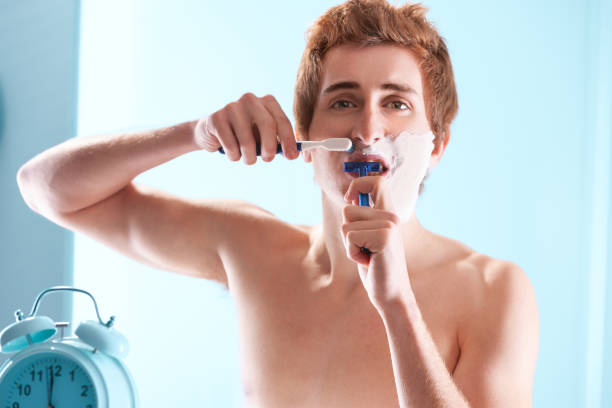
From early childhood, we are taught to brush our teeth daily, but only a few of us are ever shown how to brush properly, or what not to do. That is why many people unknowingly develop poor oral hygiene habits that can lead to tooth diseases like cavities, gum disease, and even tooth loss
As a medical doctor with foundational training in dentistry and having worked closely with dental professionals, I have come to realize how common (and preventable) many oral health issues are. This article explores 10 surprisingly common oral hygiene mistakes and how you can fix them for a healthier smile.
Importance of Good Oral Health
While oral health may look insignificant to so many, it impacts our lives more than we can imagine. Teeth problems can cause significant pain and discomfort, and can lead to other medical conditions like malnutrition and systemic infections.
Dental conditions also affect our social well-being, which closely impacts our mental health and how we respond to things around us. In this regard, nothing beats a great smile, and not being able to smile due to an unhealthy mouth and teeth can be depressing.
The importance of good oral hygiene is far-reaching, to mention but a few. This is why prioritizing good general hygiene, including oral hygiene, is a necessity for every individual and family around the world.
Common Oral Hygiene Mistakes to Avoid
Despite the unbelievable burden of oral health conditions globally (as you will see later), many people still lack the appropriate knowledge and practice of good oral hygiene. This section will consider some oral hygiene mistakes many people still make and how to improve oral hygiene.
1. Skipping Days of Brushing
Even missing just one day without brushing gives bacteria a high chance to proliferate within the mouth, leading to plaque formation, bad breath, and long-term damage or tooth loss. And if you don’t know it, with a host of over 700 types of bacteria, the mouth has been considered the dirtiest part of the body due to the large amount of bacteria within it.1National Institutes of Health. (2019, May). Mouth microbes: The helpful and the harmful. NIH News in Health. https://newsinhealth.nih.gov/2019/05/mouth-microbes
2. Brushing Just Once a Day
There is consensus in the dental health literature that meticulous tooth brushing once per day is sufficient to maintain oral health and prevent dental caries and periodontal diseases. However, most people are not able to perform proper oral hygiene measures at home, and hence, brushing twice daily is recommended by most dentists for proper oral health.2Attin T, Hornecker E. Tooth brushing and oral health: how frequently and when should tooth brushing be performed? Oral Health Prev Dent. 2005;3(3):135-40. PMID: 16355646.
Some of the oral hygiene measures include proper brushing technique (animated below), dietary habits (sugar consumption, late-night eating, etc), as well as some of the other tips in this section. Brushing in the morning and before bed is recommended for healthy teeth.
3. Not Using Fluoride Toothpaste
Fluoride plays a central role in the prevention and inactivation of dental caries (also known as tooth decay or cavities). Fluoride prevents caries by helping to remineralize the enamel (white part) of the teeth.3Nassar Y, Brizuela M. The Role of Fluoride in Caries Prevention. [Updated 2023 Mar 19]. In: StatPearls [Internet]. Treasure Island (FL): StatPearls Publishing; 2025 Jan-. Available from: https://www.ncbi.nlm.nih.gov/books/NBK587342/
Using herbal or non-fluoride toothpaste daily puts you at a higher risk of cavities, even with good brushing habits.
4. Using Too Much Toothpaste
While many people think that the more toothpaste you use, the better, using too much fluoride-containing toothpaste is unnecessary. Fluoride has been shown to interfere with the enolase enzyme in glycolysis, a metabolic pathway where energy is generated from carbohydrates. Although this effect is beneficial against some oral bacteria, excessive fluoride intake may potentially interfere with metabolic processes and lead to toxicity in the body.4Guha‑Chowdhury, N., Clark, A. G., & Sissons, C. H. (1997). Inhibition of purified enolases from oral bacteria by fluoride. Oral Microbiology and Immunology, 12(2), 91–97. https://doi.org/10.1111/j.1399-302x.1997.tb00623.x
Adults are recommended to use a pea-sized amount; children even less. This is to prevent unnecessary ingestion of fluoride. In addition, you can save more toothpaste for twice-daily brushing.
5. Brushing Too Hard or Too Fast
Contrary to popular opinion, brushing too hard or too fast does not make the mouth cleaner. Brushing too aggressively wears down the enamel and gums. This is also why soft or medium-textured brushes are recommended over hard brushes.
Aim for gentle, circular motions with a soft or medium-bristled brush for at least 2 minutes. If your brush causes you tooth pain or bleeding, it might be time to change it.
6. Neglecting to Floss
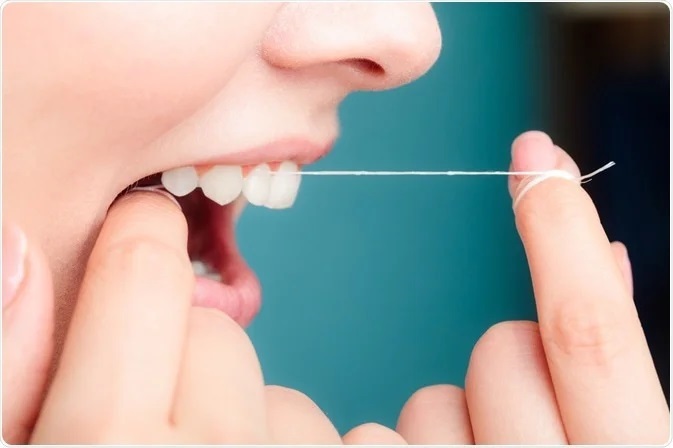
According to Meghan Crow, an assistant professor at the University of Colorado School of Dental Medicine, brushing alone reaches only about 60% of their tooth surface. Flossing is needed to clean the other 40% between the teeth, often missed by brushing.5University of Colorado Anschutz Medical Campus. (2023, October 25). Brushing only cleans 60% of your teeth, making flossing essential. CU Anschutz News. https://news.cuanschutz.edu/dental/brushing-only-cleans-60-of-your-teeth-making-flossing-essential
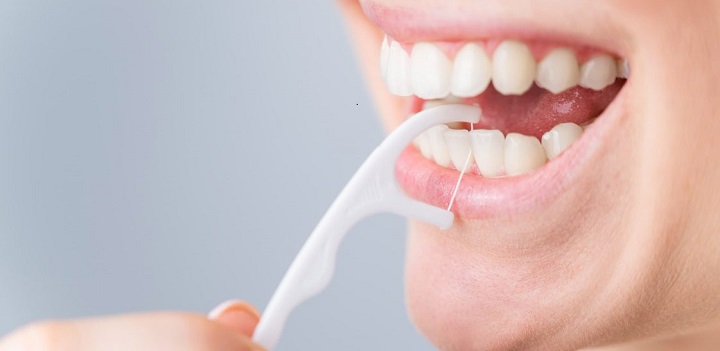
Dentists recommend a once daily flossing to prevent gum disease and hidden teeth decay.
7. Rinsing Immediately After Brushing
Fluoride is a teeth-protective ingredient deliberately added to toothpastes to protect from caries and tooth decay, but many people wash it off too quickly without giving it time to act. Rinsing your mouth with water immediately after brushing takes away the fluoride protection from your toothpaste.
Instead, spit out any foam from your mouth without rinsing with water. This allows the fluoride, as well as other essential ingredients in the toothpaste, to act, giving you healthier teeth and a fresher breath.
8. Using Your Brush For Too Long
The American Dental Association recommends changing your toothbrush every 3‐4 months, or sooner if the bristles become frayed. This is because worn-out bristles become less effective at removing plaque and dirt. Also, bacteria can accumulate on the toothbrush, particularly when used for too long.6Van Leeuwen MPC, Van der Weijden FA, Slot DE, Rosema MAM. Toothbrush wear in relation to toothbrushing effectiveness. Int J Dent Hyg. 2019 Feb;17(1):77-84. doi: 10.1111/idh.12370. Epub 2018 Nov 19. PMID: 30326176; PMCID: PMC7379636.
Replace your brush immediately after an acute illness.
9. Brushing Immediately After Eating Acidic Foods
Acidic foods or drinks (like citrus fruits, soda, or vinegar-based dishes) can temporarily soften the enamel, and brushing at that time can wear it away. Thus, avoid brushing within 30 minutes to 1 hour of consuming acidic food and fruits.
10. Storing Your Toothbrush in a Closed Container
Store your toothbrush in an upright position in a well-ventilated area away from the toilet area. Keeping it damp and sealed in a closed container or compartment can turn it into a breeding ground for bacteria and mold.
If possible, blow-dry your toothbrush immediately after brushing. Storing it in an upright position allows excess water/fluid to drain from the bristles, as well as prevents insects from easily crawling and living within the bristles.
Global Status of Oral Hygiene and Health
According to the WHO Global Oral Health Status Report 2022, oral diseases affected about 3.5 billion people worldwide in 2019, making them the most widespread conditions among the more than 300 diseases and conditions that affect humanity, including mental disorders, cardiovascular disease, diabetes mellitus, respiratory diseases, and even cancer.7World Health Organization. (2022). Global oral health status report: Towards universal health coverage for oral health by 2030. World Health Organization. https://www.who.int/publications/i/item/9789240061484
Among the major oral diseases, untreated dental caries of permanent teeth accounted for around 2 billion cases, periodontal disease follows with around 1 billion cases, untreated cases of deciduous (milk teeth) with about 510 million cases, and edentulism with 350 million cases. This together puts dental diseases over 1 billion higher than the five main non-communicable diseases listed above.
Still, they are some of the least talked-about conditions. As a matter of fact, a collaborative study by individual researchers and Oral Health Collaborators in the Global Burden of Disease (GBD) project in 2017 stated that oral health has not improved in the past 25 years.8Kassebaum NJ, Smith AGC, Bernabé E, Fleming TD, Reynolds AE, Vos T, Murray CJL, Marcenes W; GBD 2015 Oral Health Collaborators. Global, Regional, and National Prevalence, Incidence, and Disability-Adjusted Life Years for Oral Conditions for 195 Countries, 1990-2015: A Systematic Analysis for the Global Burden of Diseases, Injuries, and Risk Factors. J Dent Res. 2017 Apr;96(4):380-387. doi: 10.1177/0022034517693566. PMID: 28792274; PMCID: PMC5912207.
Final Words
Everyone wants fresh breath and a confident smile, but good oral hygiene is more than just brushing your teeth. This article explores some common oral health mistakes surrounding toothbrushing and mouth cleanliness.
I hope this article clearly shows you how to take better care of your teeth, but if you are unsure about your brushing habits or want more specialized tips to improve your oral health, don’t hesitate to consult your dentist as soon as possible.
If anything else, let me know what you think in the comment section below.
References
| ↑1 | National Institutes of Health. (2019, May). Mouth microbes: The helpful and the harmful. NIH News in Health. https://newsinhealth.nih.gov/2019/05/mouth-microbes |
|---|---|
| ↑2 | Attin T, Hornecker E. Tooth brushing and oral health: how frequently and when should tooth brushing be performed? Oral Health Prev Dent. 2005;3(3):135-40. PMID: 16355646. |
| ↑3 | Nassar Y, Brizuela M. The Role of Fluoride in Caries Prevention. [Updated 2023 Mar 19]. In: StatPearls [Internet]. Treasure Island (FL): StatPearls Publishing; 2025 Jan-. Available from: https://www.ncbi.nlm.nih.gov/books/NBK587342/ |
| ↑4 | Guha‑Chowdhury, N., Clark, A. G., & Sissons, C. H. (1997). Inhibition of purified enolases from oral bacteria by fluoride. Oral Microbiology and Immunology, 12(2), 91–97. https://doi.org/10.1111/j.1399-302x.1997.tb00623.x |
| ↑5 | University of Colorado Anschutz Medical Campus. (2023, October 25). Brushing only cleans 60% of your teeth, making flossing essential. CU Anschutz News. https://news.cuanschutz.edu/dental/brushing-only-cleans-60-of-your-teeth-making-flossing-essential |
| ↑6 | Van Leeuwen MPC, Van der Weijden FA, Slot DE, Rosema MAM. Toothbrush wear in relation to toothbrushing effectiveness. Int J Dent Hyg. 2019 Feb;17(1):77-84. doi: 10.1111/idh.12370. Epub 2018 Nov 19. PMID: 30326176; PMCID: PMC7379636. |
| ↑7 | World Health Organization. (2022). Global oral health status report: Towards universal health coverage for oral health by 2030. World Health Organization. https://www.who.int/publications/i/item/9789240061484 |
| ↑8 | Kassebaum NJ, Smith AGC, Bernabé E, Fleming TD, Reynolds AE, Vos T, Murray CJL, Marcenes W; GBD 2015 Oral Health Collaborators. Global, Regional, and National Prevalence, Incidence, and Disability-Adjusted Life Years for Oral Conditions for 195 Countries, 1990-2015: A Systematic Analysis for the Global Burden of Diseases, Injuries, and Risk Factors. J Dent Res. 2017 Apr;96(4):380-387. doi: 10.1177/0022034517693566. PMID: 28792274; PMCID: PMC5912207. |













You Might Also Like