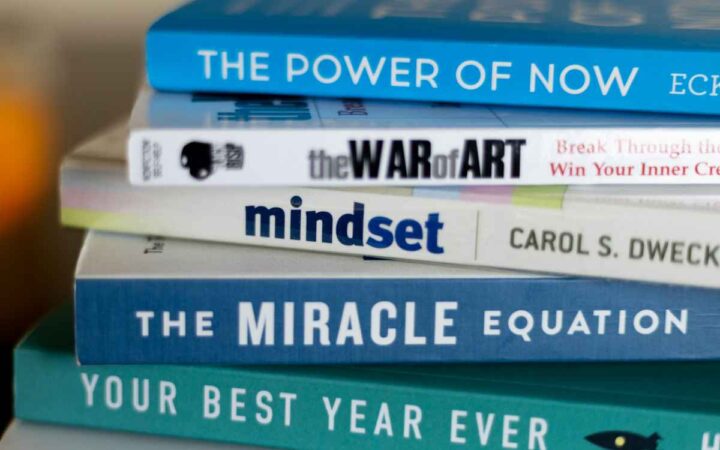
Self-improvement tips for beginners should be simple, practical, and easy to follow. If you are searching for ways to improve yourself, it means you already care about getting better and making positive changes in your life.
Still, even with the right motivation, many people feel overwhelmed because they don’t know where to start or which self-improvement tips actually work. With so much advice available online, it’s easy for anyone to lose focus instead of making steady progress.
In this guide, you’ll learn simplified self-improvement tips you can apply to build better habits, strengthen your mindset, improve your relationships, and increase your personal value in a meaningful, sustainable way.
What is Self-Improvement?
Self-improvement is the intentional process of working on yourself to become better over time. It involves making a conscious effort to grow in areas such as knowledge, skills, habits, mindset, and overall well-being.
At its core, self-improvement requires self-awareness, goal-setting, continuous learning, and the willingness to build positive habits and overcome personal weaknesses. The aim isn’t perfection, but steady progress towards a more purposeful and fulfilling life.
As author James Clear describes it, “self-improvement is the improvement of one’s knowledge, status, or character by one’s own efforts, to make oneself better in any and every facet of life.”
Key Areas of Self-Improvement to Focus On
Whether you’re just starting out or looking for ways to refine your habits, approaching self-improvement strategically will help you grow more effectively. You will definitely achieve sustainable progress when you focus your efforts on the areas that matter most.
These key areas include personal health and wellbeing, productivity and focus, purpose and career growth, and relationships and communication.
In the following sections, you will find simple and practical self-improvement tips for each area, just as promised.
1. Personal well-being and health
Building habits related to personal health and well-being is an important aspect of self-improvement. When you are physically and mentally well, you are happier, relationships feel more meaningful, and it’s easier to stay motivated in improving other aspects of your life.
This section will focus on simple and yet practical habits that support your wellbeing, improve your energy levels, and general health.
Prioritize health as a daily investment
Even though we know that health is wealth, it’s easy for most people to put it last in their daily activities. Work, responsibilities, and social commitments often take priority, especially when we are apparently healthy and assume our well-being will take care of itself.
To change this, treat your health like a daily investment. Schedule at least one health-focused action every day—such as a 10-minute walk, light exercise, drinking more water, and choosing a healthier meal. These small, consistent actions add up over time, improving your energy, focus, and ability to show up fully in other important areas of your life.
Link exercise to an immediate reward
Oftentimes, exercise feels unrewarding because you can’t see the effect in real-time, and this can be very discouraging. But you don’t have to wait for weeks or months before you can notice the rewards of healthful and regular exercise.
Before skipping a workout, remind yourself of one immediate benefit, like a better mood and stress reduction. Exercise helps your body stay productive throughout the day.
Aim for balanced diets, not perfection
Trying to eat perfect meals can feel too restrictive, exhausting, and unsustainable. This makes healthy eating feel like a burden rather than a healthful habit.
Instead, aim for balanced diets by making slightly better choices each day. These include adding vegetables to your meals, reducing processed foods, and choosing water over sugary drinks. These small, consistent improvements can have a greater impact on your health than strict or extreme dieting.
Treat hydration as a daily performance tool
Every time we hear someone talking about drinking water regularly, we often agree, but soon forget about it when we get busy with our regular daily activities. But adequate and regular hydration is an important habit for overall health and vitality.
Treat adequate hydration as a daily performance tool, not just something you think about only when you are thirsty. Staying properly hydrated helps improve your energy levels, concentration, organ functionality, digestion, and overall well-being, making it one of the simplest yet most effective health habits.
See exercise as protection for your health
Exercise isn’t just about weight and physical appearance—it plays a critical role in keeping your heart healthy. Regular exercise strengthens the heart, improves blood circulation, and helps regulate blood pressure.
Even moderate activities like walking, cycling, or light workouts can significantly reduce the risk of cardiovascular diseases in the long run. When you view exercise as a form of health protection, not just fitness, it’s easier for you to prioritize it consistently.
View smoking as a long-term health investment
While smoking may not have any noticeable effects now, it gradually damages nearly every organ in the body, including the lungs, heart, and brain. It also carries a significant risk of several diseases over time.
Choosing to quit smoking, whether gradually or with support, is one of the most important steps you can take to improve your health in the long run.
Treat self-care as self-maintenance, not a luxury
Self-care isn’t something you should feel bad for doing. It’s not an indulgence or luxury—it’s about maintaining your physical and mental energy so you can function at your best.
Simple practices like getting adequate sleep, taking breaks, and managing stress can help you stay consistent with work, relationships, and personal goals. Neglecting self-care can hurt performance in every area of one’s life, including productivity and relationships.
2. Productivity and Focus
Productivity and focus-related goals are those that help you use your time and energy more efficiently. They are key aspects of self-improvement because they help you achieve better results, create clarity, and save time.
Below are simple and practical self-improvement tips that can boost your productivity and focus.
Use writing things down as a memory aid
Writing things down is a more reliable way to remember things—you don’t have to rely on your mind to remember everything. But while we can attest to its effectiveness for memory and productivity, many people find writing things down cumbersome and uncomfortable.
This challenge can be solved by keeping a pen and a notebook close to you most of the time. You can also put down notes on your mobile phone as soon as you get a creative thought or idea.
Act immediately to break the habit of procrastination
Procrastination hampers productivity because it delays when you start important tasks. When it becomes a habit, it can stop you from ever doing the things you planned. But even though we know this, it can sometimes feel very difficult to overcome.
Focus on breaking the habit of procrastination by acting immediately. Even if it feels difficult now, in a short time, you will overcome procrastination and regain control of your time and decisiveness.
Schedule important tasks during your peak productivity periods
Peak productivity periods are times in the day when you are most productive. But there are also times when we aren’t as efficient as we want to be. Understanding this difference and identifying your peak periods can make a great difference to your productivity.
Schedule your most important tasks into your peak periods. Then, schedule lighter tasks, leisure, or rest outside your peak period. This simple hack can help boost your productivity and help you achieve better results.
Keep your goals visible by focusing on the outcome
Many people abandon their goals when challenges arise, especially when progress feels slow. But focusing on the outcome of their goal(s) can help you keep your goals visible.
The challenges may include physical issues, financial difficulties, or a fear of failure, but despite these obstacles, staying focused on the target can help you overcome them and make meaningful progress. If it helps, keep a journal of your goals so you can remind yourself of them anytime the situation feels overwhelming.
Use technology intentionally to boost productivity
Today, technology has become a valuable asset for productivity, but many people are not leveraging technology to its full potential. This is often because they are opposed to learning new tools or because they don’t know exactly how to utilize available technology to their advantage.
Being intentional in how you use technology can boost your performance and productivity. Some aspects of technology can be sources of distraction, but being intentional helps you utilize technology in the most productive way possible.
Treat time with like-minded people as an energy booster
Spending more time with like-minded people can boost your productive energy. On the other hand, spending too much time with people who do not align with your purpose and goals can dampen your progress.
Sometimes, changing your company can be the solution you need when you are not achieving your desired results. Prioritize spending time with like minds, and when this becomes a habit, you will achieve better results more consistently.
3. Purpose and Career Growth
Purpose and career are central to long-term satisfaction in life. Improving yourself to achieve consistent results makes the journey more fulfilling.
This section covers practical tips to help you find purpose and grow in your desired career.
Make goal-setting your pivot for clarity
Setting short-term goals gives you clarity in your vocation or pursuit of purpose. Without goal-setting, your future target may seem obscured. Goal-setting fuels your motivation because goals are visible targets, and achieving them makes you a milestone ahead.
Think about the big goal. Then, break it down into smaller goals that help you to achieve it. Goal-setting is an effective way to improve yourself and achieve career goals.
Use your passion as a compass for finding purpose
The journey to purpose is often vague, but following your passion can help you uncover it. Your passion is that inner desire that gives you the greatest satisfaction, even if you are not being paid for it.
Instead of pursuing a purpose based on external influence, do something you are passionate about. When you feel lost or confused about a new opportunity, ask yourself if it aligns with your passion. By making your passion your compass in anything you do, you will achieve better results and make meaningful progress.
See risks as stepping stones to success
We all know the importance of risk-taking until we are faced with a risk. But what makes risk-taking scary is our fear of failing or losing everything we put into it.
Seeing risks as stepping stones to success will help you realize that they are necessary steps that must be taken, no matter the outcome. This is because every risk you take helps you learn and move closer to achieving success, regardless of the outcome.
Recognize your comfort zone as a growth barrier
It’s easy to stay in your comfort zone, but this can be a barrier to your progress. While we all want to be comfortable, it is important to view comfort as the end product of hard work and dedication, not an escape from reality.
The comfort zone directly opposes risk—it stops you from making important decisions that will change your life meaningfully. Instead of staying there, do things that challenge you to grow and make progress towards your goals.
Treat being consistent as a necessity, not a burden
Consistency is key, but it can feel like a burden if you see it as a problem you have to face. Treating consistency as a necessity will help you develop it as a habit, which makes it easier for you to maintain momentum.
View self-motivation as a skill you can readily use
Among the several skills you already have, self-motivation is the one you don’t have to struggle to build. You don’t require any external tools to motivate yourself—just yourself.
Positive affirmations like “I can do it”, and “I will make it”, etc, can boost your energy in ways you never thought possible.
4. Relationships and Communication
Meaningful relationships and a peaceful marriage contribute greatly to long-term success, and effective communication is the foundation of every strong relationship. This is why communication and relationship skills are essential self-improvement areas.
This section covers simple, practical tips to improve communication and build meaningful relationships that support long-term success.
Develop emotional intelligence as a relationship tool
Emotional intelligence is the ability to understand the emotional context behind people’s actions, and not just the actions themselves. This skill can change how you view people’s actions and help you respond based on their feelings. For example, rather than react harshly to someone who disrespects you when they are extremely stressed, you might instead encourage them to get some rest.
What makes emotional intelligence difficult to acquire is the fact that you first have to understand your emotions and intentionally weigh your reactions against several situations. Developing emotional intelligence requires time and persistence, but once developed, this skill puts you in a better position to receive meaningful support in your relationships.
Prioritize purpose compatibility alongside attraction
Attraction—whether emotional or intellectual—is important in both romantic and non-romantic relationships, but compatibility of purpose is something you should consciously look out for. Purpose compatibility refers to people united by common goals, values, and passion.
In every relationship you find yourself in, look for the common purpose beyond what initially brought you together. Find a shared purpose even if it differs from your primary life goal.
Treat listening as an essential part of communication
Communication is not complete without listening, but many of us treat communication as speaking to people in a way they can understand. While clear expression matters, real understanding cannot happen without listening.
Pay close attention to the people you are speaking to, because they are more open to listening in return when they feel heard. Also, observe non-verbal cues like tone, facial expression, and body language. This can help you understand what irritates them or what may be preventing them from engaging fully in the conversation.
View relationships as foundations for long-term success
No one is an island, but some betrayals and negative experiences can make it hard to trust in relationships. But this does not undermine the importance of relationships for long-term success. Rather than give up on relationships, prioritize building beneficial relationships as foundational to long-term success.
Choose relationship quality over quantity
While we may believe that the more company we have, the bigger our safety net when something happens, that’s not always the case. A few quality relationships, especially with people whose passions align with yours, are better than many friends who may not contribute meaningfully to your growth.
A quality relationship is defined by two or more people who consistently add value to keep the relationship healthy. Whenever a relationship feels one-sided, you can’t consider it a quality relationship.
Prioritize quality, mutual relationships over casual friendships. Rather than keeping many low-quality relationships, stick to a few quality ones. This reduces distraction and leads to greater satisfaction in your relationships.
Recommended Self-Improvement Books to Read
Here are some highly recommended self-improvement books that expand on the ideas discussed in this article and offer deeper insight into building a healthier, more productive, and purposeful life.
You don’t have to read these books all at once. Choose one or a few that align with your current self-improvement focus.
Personal Well-being and Health
- Atomic Habits by James Clear – This book explains how small, consistent habits can improve one’s health and energy levels over time.
- The Power of Habit by Charles Duhigg – Discusses the process of habit formation and how to replace unhealthy habits with healthier ones.
- Why We Sleep by Matthew Walker – This discusses the role sleep plays for mental clarity, emotional balance, and long-term health.
- Eat to Beat Disease by Dr. William Li – This book explains how everyday food choices can affect health and immunity.
- Spark: The Revolutionary New Science of Exercise and the Brain by John J. Ratey – This book explains how regular exercise can improve mood and personal well-being.
- Ikigai by Héctor García & Francesc Miralles – This explores how loving what you do can contribute to your long and healthy life.
- How Not to Die by Dr. Michael Greger – This book emphasizes how to prevent diseases through lifestyle and dietary choices.
Productivity and Focus
- Atomic Habits by James Clear – This demonstrates how habit systems can drive consistent productivity.
- Deep Work by Cal Newport – Teaches how to develop focus in a world full of distractions.
- Getting Things Done by David Allen – Provides a practical framework for organizing tasks and getting tasks done.
- Eat That Frog by Brian Tracy – This book teaches how to improve efficiency by overcoming procrastination and tackling high-impact tasks first.
- The 7 Habits of Highly Effective People by Stephen Covey – Focuses on principles that support long-term effectiveness, discipline, and personal leadership.
- Mindset: The New Psychology of Success by Carol Dweck – Differentiates between a growth and a fixed mindset, and talks about how adopting a growth mindset can improve resilience, learning, and performance.
- The Power of Habit by Charles Duhigg – Reinforces how established habits can sustain focus and productivity.
- Daring Greatly by Brené Brown – This shows how vulnerability and self-awareness can improve confidence and creativity.
Purpose and Career Growth
- Man’s Search for Meaning by Viktor E. Frankl – Explores how finding purpose makes life more meaningful, and how purpose sustains people through hardship and uncertainty.
- So Good They Can’t Ignore You by Cal Newport – Challenges the idea of “follow your passion”, and shows how finding purpose should be accompanied by consistently building skill and value.
- Start with Why by Simon Sinek – This book emphasizes the importance of understanding your “why” as a foundation for meaningful work and leadership.
- Designing Your Life by Bill Burnett & Dave Evans – Offers practical tools for exploring career paths and aligning work with personal values.
- Mindset: The New Psychology of Success by Carol Dweck – Shows how a growth mindset supports long-term career development and resilience.
- Grit by Angela Duckworth – Explains how perseverance and long-term commitment matter more than talent in achieving success.
- Essentialism by Greg McKeown – Encourages focusing on what truly matters to avoid burnout and make purposeful career decisions.
Relationships and Communication
- How to Win Friends and Influence People by Dale Carnegie – This is a classic guide on building trust through empathy and effective interpersonal communication.
- The Five Love Languages by Gary Chapman – This discusses the different ways people give and receive love, and how this can improve bonding in romantic relationships.
- Emotional Intelligence by Daniel Goleman – This highlights how emotional awareness shapes communication and its impact on relationships and personal success.
- Crucial Conversations by Kerry Patterson et al. – Teaches how to handle high-stakes conversations with clarity, respect, and confidence.
- Attached by Amir Levine & Rachel Heller – This explores attachment styles and how they affect romantic relationships and communication patterns.
- Nonviolent Communication by Marshall B. Rosenberg – Focuses on expressing needs clearly while maintaining empathy and mutual respect.
- Daring Greatly by Brené Brown – Shows how vulnerability strengthens connection, trust, and authentic relationships.
Final words
Self-improvement is a gradual process built on small, consistent actions rather than a sudden transformation. With patience and dedication, simple and practical habits compound over time into meaningful and lasting results.
Mistakes and imperfections are part of the process of self-improvement and are not signs of failure. As Confucius observed, “Better a diamond with a flaw than a pebble without.” Progress comes from choosing growth and substance over perfection, and staying consistent even when the journey feels imperfect.














You Might Also Like